
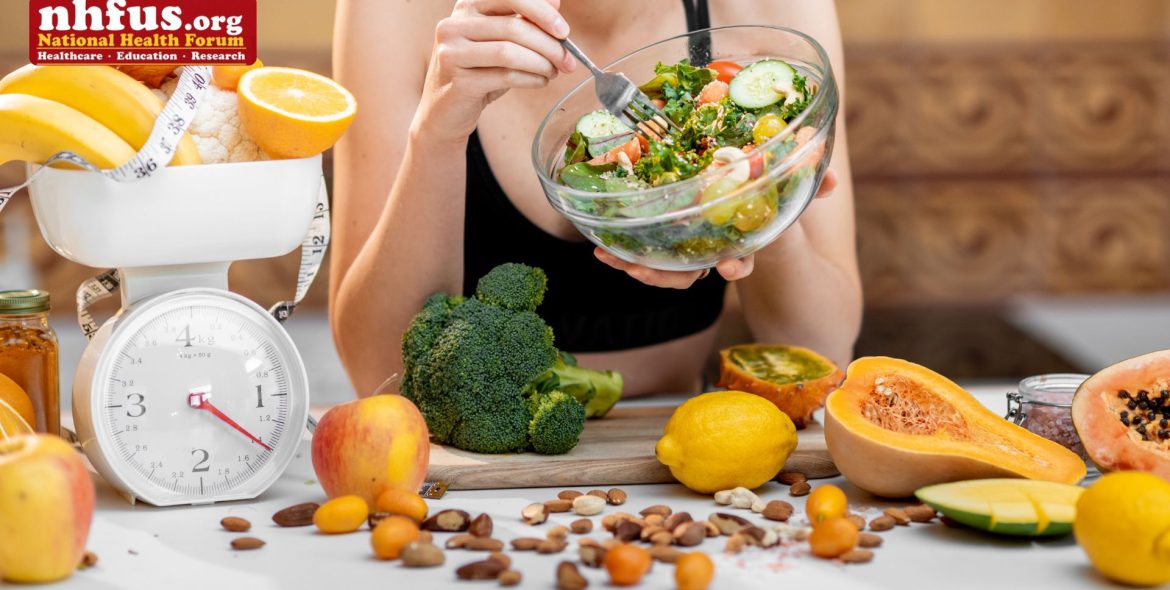
What Role Does Nutrition Play in Women’s Long-Term Health
A woman’s long-term health is greatly affected by what she eats. What women eat has a direct effect on their energy levels, hormonal balance, bone health, heart health, and overall health from puberty to menopause and beyond. Genetics are important, but the food you consume every day has a much bigger effect over time. So, knowing how nutrition affects women might help them live longer, healthier, and more active lives.
This blog will talk about the Role of Nutrition in Women’s Long-Term Health in the long term and why making smart food choices now can help you avoid health concerns in the future.
Why Women Need Good Nutrition
A woman’s body changes a lot during the course of her life. Pregnancy, breastfeeding, menopause, and puberty can make your body demand more nutrients. Because of these changes, women need certain nutrients to stay healthy at all times.
Eating well helps:
- Keep your hormones in balance
- Help keep reproductive health up
- Make bones and muscles stronger
- Lower the chance of getting long-term diseases
- Boost your energy and mental wellbeing
On the other hand, a bad diet can make you tired, lower your immune system, cause hormone problems, and contribute to long-term health problems. That is why it is important to focus on balanced nutrition.
Food and Hormonal Balance
The role of Nutrition in Women’s Long-Term Health includes the regulation of hormones. Hormones are in charge of many crucial things in a woman’s body, such as her mood, metabolism, and menstrual cycles. Eating well helps keep these hormones in check.
For instance:
- Nuts, seeds, and olive oil are good sources of healthy fats that help make hormones.
- Whole grains help keep insulin levels stable.
- Protein helps muscles stay healthy, and hormones recover.
Too much sugar and processed foods, on the other hand, can throw off your hormones. Over time, this could cause weight gain, irregular periods, or disorders like polycystic ovarian syndrome (PCOS). So, for long-term hormonal health, it’s important to choose full, natural meals.
How to Eat Right to Keep Your Bones Healthy
Women need to take care of their bones more than men do. Osteoporosis is a disease that makes bones weaker and raises the chance of breaking them. Women are more prone to get it as they become older.
A big part of keeping bones strong is eating well. Important nutrients are:
- You can get calcium from dairy products, leafy greens, and foods that have been fortified.
- Vitamin D helps the body take up calcium.
- Magnesium and phosphorus help bones stay strong.
Starting a healthy diet that supports bone health early in life can greatly lower the chance of losing bone later on. Because of this, women who put these nutrients first have more freedom and movement as they get older, much like those who choose to live in a barndominium in Ohio, where a healthy lifestyle is embraced by many.
Nutrition and Heart Health
One of the most common causes of death for women around the world is heart disease. But eating the right foods can lower this risk a lot.
- A diet that is good for your heart includes:
- Fruits and vegetables that are high in antioxidants
- Whole grains that help keep cholesterol under check
- Lean proteins include fish, beans, and chicken.
- Fats that are good for you, such as omega-3 fatty acids
Limiting salt, sugary drinks, and fried foods is also good for the heart. These healthy habits lower blood pressure, raise cholesterol levels, and lower inflammation over time. So, nutrition is really important for keeping women’s hearts healthy throughout time.
Managing your weight and eating well
As women become older, it gets harder to keep a healthy weight, especially because of changes in hormones. But the Role of Nutrition in Women’s Long-Term Health makes it easier to keep your weight in check.
Meals that are balanced help:
- Control your hunger
- Stop yourself from eating too much
- Keep your blood sugar levels constant.
Women should focus on controlling their portions and eating meals that are high in nutrients instead of following rigorous diets. For example, foods high in fiber, such as fruits, vegetables, and whole grains, keep you full for longer. So, managing a healthy weight becomes something you can do for a long time and helps your health in the long run.
Increasing Energy and Immunity
A lot of women have low energy because they are busy, stressed, or not getting enough nutrients. The appropriate nutrition can help you get your energy back and make your immune system stronger.
Important nutrients are:
- Iron, which keeps you from getting tired and helps oxygen flow
- Vitamin B12 is vital for energy and nerve function.
- Zinc and vitamin C, which help the immune system
Women feel more energetic, concentrated, and able to fight off illnesses when they eat well. So, adequate nutrition helps you be productive every day and stay healthy for a long time.
Nutrition and Mental Health
Nutrition is also very important for mental and emotional wellbeing. Studies demonstrate that some nutrients have a direct effect on mood and brain function.
For instance:
- Omega-3 fatty acids are good for your brain and help with inflammation.
- Complex carbs help keep serotonin, the “feel-good” hormone, in check.
- Magnesium can aid with stress and anxiety.
On the other hand, eating a lot of processed foods may make you more likely to get depressed and have mood swings. So, eating correctly helps keep your brain healthy and your emotions in check, which is good for your long-term mental health.
Nutrition to Stop Long-Term Diseases
One of the best things about eating well is that it can help you avoid getting sick. Over time, bad eating habits can make you more likely to get diseases like:
- Diabetes type 2
- Blood pressure that is too high
- Too much weight
- Some types of cancer
A diet high in plant-based foods, lean proteins, and healthy fats, on the other hand, helps the body work better and lowers inflammation. So, women who eat healthy all the time are more likely to have longer and better lives.
Nutrition at Different Ages
As women become older, their dietary demands vary. So, it’s vital to change the diet as needed.
- Young women require calcium and iron to grow and have their periods.
- Women who are pregnant or breastfeeding need extra nutrients to keep themselves and their babies healthy.
- Calcium, vitamin D, and fiber are good for women going through menopause because they help keep bones and hearts healthy.
Women can change their diets to support health at every stage of life by knowing how their needs change.
Making Healthy Eating a Habit for Life
It’s not about being flawless for long-term health; it’s about being consistent. Over time, little good adjustments can have a tremendous effect.
Some good behaviors are:
- Eating meals regularly
- Picking complete, fresh foods
- Getting enough water
- Cutting back on sweet and processed foods
Women may protect their health now and in the future by making nutrition a daily priority.
In conclusion,
The Role of Nutrition in Women’s Long-Term Health is very important for their well-being. The meals women eat every day affect their overall health, from their hormones and bones to their hearts and minds. Women can lower their chance of getting sick, have more energy, and stay healthy for life by eating a balanced diet full of nutrients and sticking to healthy eating practices.
Visit the National Health Forum today for credible health information, expert advice, and trusted resources. This is a great way to start working toward better long-term health.