
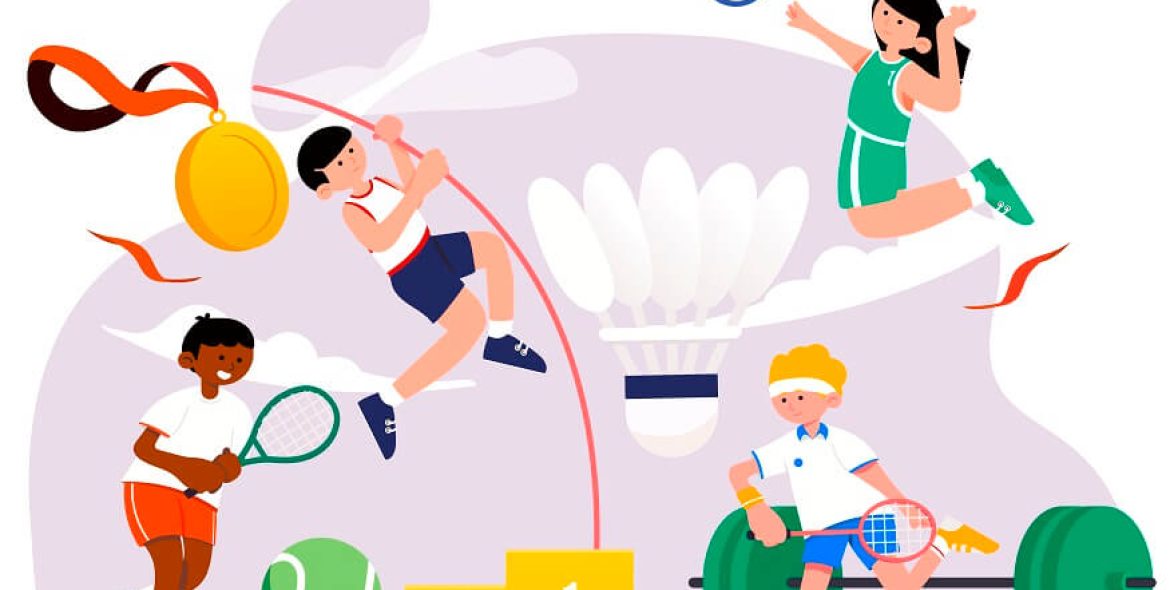
The Benefits of Youth Sports for Kids and Communities
There is far more happening on a playing field than a game. For young people, sports build strong bodies, sharper minds, and life skills that last long after the final whistle. From confidence and teamwork to discipline and friendship, the benefits of youth sports reach into every part of a child’s development — which is why access to sports should not be a privilege reserved for those who can afford it.
In this guide, we explore the physical, mental and social benefits of youth sports, why access matters, and how sports can be a powerful tool for uplifting young people.
Physical Health Benefits
The most obvious benefits of youth sports are physical, and they are significant:
- A healthy, active body — regular activity supports heart health, strength and healthy weight, and helps establish habits that carry into adulthood.
- Motor skills and coordination — sports develop balance, agility and physical confidence.
- Lower long-term health risk — active children are more likely to become active adults, reducing the risk of many chronic conditions later in life.
In a time when many young people spend hours on screens, the physical activity that sports provide is more valuable than ever.
Mental and Emotional Benefits
The mental benefits of sports are just as important as the physical ones:
Confidence and Self-Esteem
Learning a skill, improving over time and contributing to a team all build a young person’s belief in themselves.
Stress Relief and Better Mood
Physical activity is a natural way to relieve stress and support emotional wellbeing, helping young people manage the pressures of growing up.
Discipline and Resilience
Sports teach that improvement takes effort, that setbacks are part of the process, and that persistence pays off — lessons that transfer directly to school and life.
Social and Life Skills
Perhaps the most lasting benefits are the social ones. Through sports, young people learn to:
- Work as a team and rely on others toward a shared goal.
- Communicate and lead, both on and off the field.
- Handle winning and losing with grace and perspective.
- Build friendships and a sense of belonging that supports mental health.
These are exactly the skills that help young people succeed in school, work and relationships for the rest of their lives.
Sports as a Positive Path
For young people in underserved communities, organised sports can be especially powerful. A safe, structured activity with caring adults gives children somewhere positive to belong, keeps them engaged, and offers mentorship many might not otherwise have. Sports can also open the door to other opportunities — including learning, when programs combine athletics with enrichment such as STEM.
Blending sports with education and mentorship is a proven way to keep young people engaged and growing, and it is a key part of the youth programs run by National Health Forum.
Why Access Matters
Sadly, cost, equipment, transport and a lack of safe facilities put organised sports out of reach for many families. When that happens, children miss out on all the benefits above through no fault of their own. Free and low-cost community sports programs remove these barriers and make sure every child — regardless of income — has the chance to play, grow and thrive.
Keeping Sports Positive and Healthy
For all their benefits, youth sports work best when the focus stays on fun, growth and wellbeing rather than pressure to win at all costs. Too much intensity too early can lead to burnout or injury and can take the joy out of playing. The healthiest programs emphasise effort over outcomes, celebrate improvement, teach good sportsmanship, and make sure every child gets to take part rather than only the most talented. Rest, safety and encouragement matter just as much as competition. When sports are kept positive, children are far more likely to stay active for life — which is the real goal.
How Families and Communities Can Encourage Play
Encouraging young people to be active does not require expensive equipment or elite leagues. Families can make a difference simply by supporting their children’s interests, cheering effort rather than only results, and being active together. Communities play an even bigger role by providing safe spaces to play and accessible programs that welcome every child. When schools, families and local organisations work together to make activity easy and enjoyable, participation rises — and so do all the health, confidence and social benefits that come with it. That shared responsibility is what makes youth sports a community success, not just an individual one.
How National Health Forum Uses Sports to Uplift Youth
National Health Forum, Inc., a Missouri-based 501(c)(3) nonprofit in St. Louis, runs athletic and STEM enrichment programs for youth alongside its health and volunteer work, serving underserved communities across Missouri. By making these opportunities accessible, the organization helps young people build healthier, more confident futures. Learn more about our work, see upcoming events, or support youth programs here.
Frequently Asked Questions
What are the benefits of youth sports? They include better physical health, stronger confidence and mental wellbeing, discipline and resilience, and social skills like teamwork, communication and leadership.
How do sports help children mentally? Sports build confidence and self-esteem, relieve stress, improve mood, and teach discipline and resilience through effort and setbacks.
Why is access to youth sports important? Cost and lack of facilities keep many children from playing. Free and low-cost programs ensure every child, regardless of income, can access the benefits.
How can I support youth sports programs? You can donate to or volunteer with nonprofits like National Health Forum that provide accessible athletic programs for underserved youth.
Give Every Child the Chance to Play
Sports change lives. Support National Health Forum’s youth programs and help make sports and enrichment accessible to young people across Missouri.