
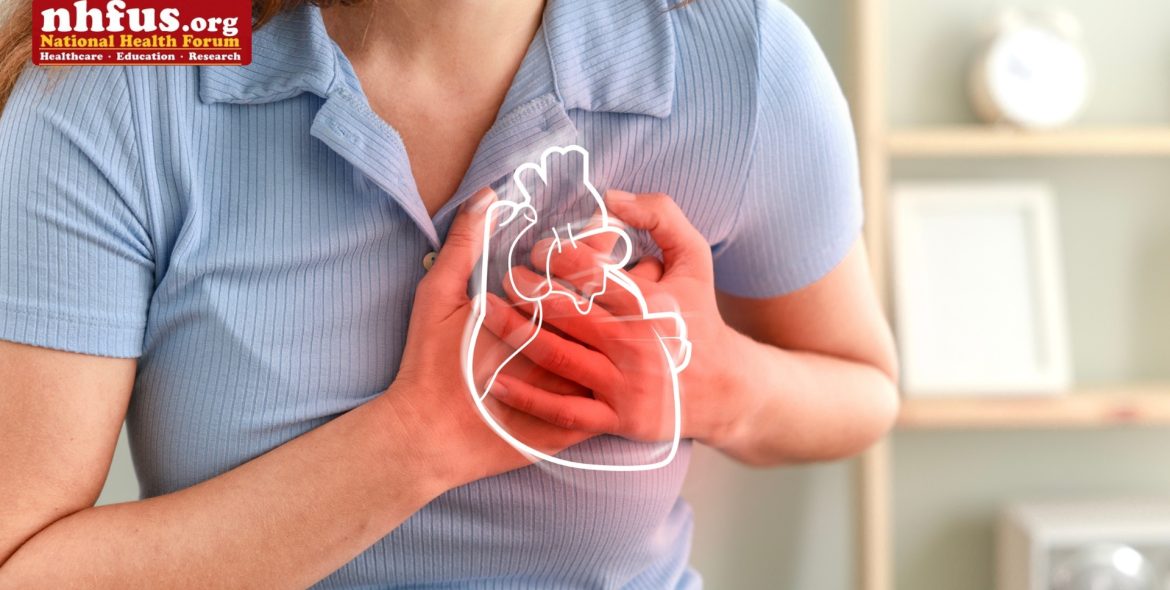
Heart Disease in Women: Silent Symptoms You Should Never Ignore
People typically think of heart disease as a “men’s health issue,” but that’s not true. Heart disease is one of the main reasons why women die around the world. What makes it even more perilous is that many women have symptoms that are hard to notice or understand.
Understanding heart disease in women and recognizing the early warning signs can help save lives. This article talks about the subtle signs of heart disease in women and why it’s important to get help right away.
Why doctors often miss heart disease in women
The signs of heart disease in women can be considerably different from those in men. Men generally feel sudden chest discomfort, but women may have moderate, nonspecific, or non-specific symptoms. Many women put off getting medical help since these signals don’t fit the “classic” heart attack symptoms.
Women may also disregard early warning signs because they are busy, taking care of others, or used to putting others first. Sadly, this delay can cause big problems.
Common Risk Factors for Women with Heart Disease
Some things make women more likely to get heart disease. Hormonal and biological changes cause some, while lifestyle modifications trigger others.
Some common risk factors are:
- High blood pressure
- Cholesterol that is too high
- Diabetes
- Smoking
- Being overweight
- Not getting enough exercise
- Stress that lasts a long time
- Heart disease runs in the family
Hormonal changes that happen during pregnancy, menopause, and disorders like polycystic ovarian syndrome (PCOS) can also raise the risk of heart disease.
Never ignore these silent signs of heart disease.
Heart illness doesn’t necessarily make a lot of noise. A lot of women have symptoms that are hard to notice at first. It can be harmful to ignore these signs, much like ignoring the importance of regular AV installs in maintaining the functionality of your systems.
Strange Tiredness
One of the most prevalent early signs of heart disease in women is extreme or unexplained weariness. It could be a warning indication if you feel fatigued after doing simple things every day or wake up tired even after getting enough sleep.
Breathlessness
If you have trouble breathing while doing everyday things or when resting, it could mean you have heart difficulties. Some women have trouble breathing without any chest pain, which makes it simple to ignore.
Chest Pain (Not Always Pain)
Instead of severe pain, women may feel pressure, tightness, burning, or heaviness in their chests. Many women disregard this pain since it can come and go or be minimal.
Other Areas of Pain
Women who have heart-related pain often feel it in other parts of their bodies as well. It might be felt in the:
- Neck, jaw, and shoulders
- Back of the upper body
- Arms
This pain may not be really bad; it may just be dull, aching, or uncomfortable.
Feeling sick or having indigestion
A lot of women think that heart disease symptoms are just stomach problems. If you have nausea, vomiting, heartburn, or stomach discomfort that won’t go away, it could be a sign of a heart problem, especially if you have other symptoms as well.
Feeling dizzy or lightheaded
If you feel faint, dizzy, or suddenly unstable, it could mean that your heart isn’t pumping enough blood to your brain.
Sweating Cold
Sweating for no clear reason, as when you’re not exercising or in a hot place, can be a warning sign. This kind of sweating usually makes you feel clammy and unpleasant.
Problems with sleep
Women with heart disease may have trouble sleeping, wake up often, or feel anxious at night. You shouldn’t disregard poor sleep along with other symptoms.
Why it matters to find out early
Finding cardiac illness early makes a big difference in how well it works. When signs are caught early, lifestyle modifications, drugs, and medical care can stop things like heart attacks and heart failure from happening.
If you ignore silent signs, you are more likely to:
- Heart attack out of the blue
- Damage to the heart that lasts forever
- Stroke
- Lowered quality of life
Paying attention to your body and getting medical help early can save your life.
How Stress Affects Women’s Heart Health
Stress that lasts a long time is a big cause of heart disease in women. Stress, worry, and sadness can make your blood pressure go up, your heart rhythm change, and your heart rate go up.
Women typically feel stressed because they have to balance their jobs, families, caring, and personal lives. For heart health, it’s important to learn how to deal with stress by relaxing, getting help, and setting healthy limits.
Easy things women may do to keep their hearts safe
It doesn’t have to be hard to take care of your heart. Small, regular habits can lower the risk of heart disease by a lot.
Keep your diet heart-healthy.
Concentrate on entire grains, fruits, vegetables, lean proteins, and healthy fats. Cutting back on salt, sugar, and processed foods is good for your heart.
Keep Moving
Exercising regularly helps keep your weight, blood pressure, and cholesterol in check. Walking every day can even help your heart work better.
Take care of stress well.
You can lower your stress levels by being mindful, taking deep breaths, writing in a notebook, or talking to someone you trust.
Keep an eye on your health.
Regular checkups, blood pressure checks, and cholesterol tests are very important, especially if you have risk factors.
Don’t smoke and drink only a little.
Smoking greatly raises the risk of heart disease. Limiting how much alcohol you drink is also good for your heart.
When to Get Medical Help
Don’t overlook symptoms that are strange or last a long time. If you have any of the following, get medical help right away:
- Chest pain that doesn’t go away
- Sudden trouble breathing
- Extreme exhaustion
- Feeling dizzy or passing out
- Pain in the back, neck, or jaw
Follow your gut. No one knows your body better than you do.
Last Thoughts
Women may get heart disease without any obvious signs. Women can take charge of their heart health by knowing these silent signals and being aware of the risk factors.
Every day, your heart works hard. One of the most important things you can do for a long and healthy life to support heart disease in women is to provide it the care and attention it needs.
Seek Immediate Help
Being mindful of heart health can save lives. The National Health Forum is dedicated to teaching women, encouraging early detection, and helping people live healthier lives.
Go to the National Health Forum today to learn more about women’s heart health, find reliable information, and take steps to protect your heart.