
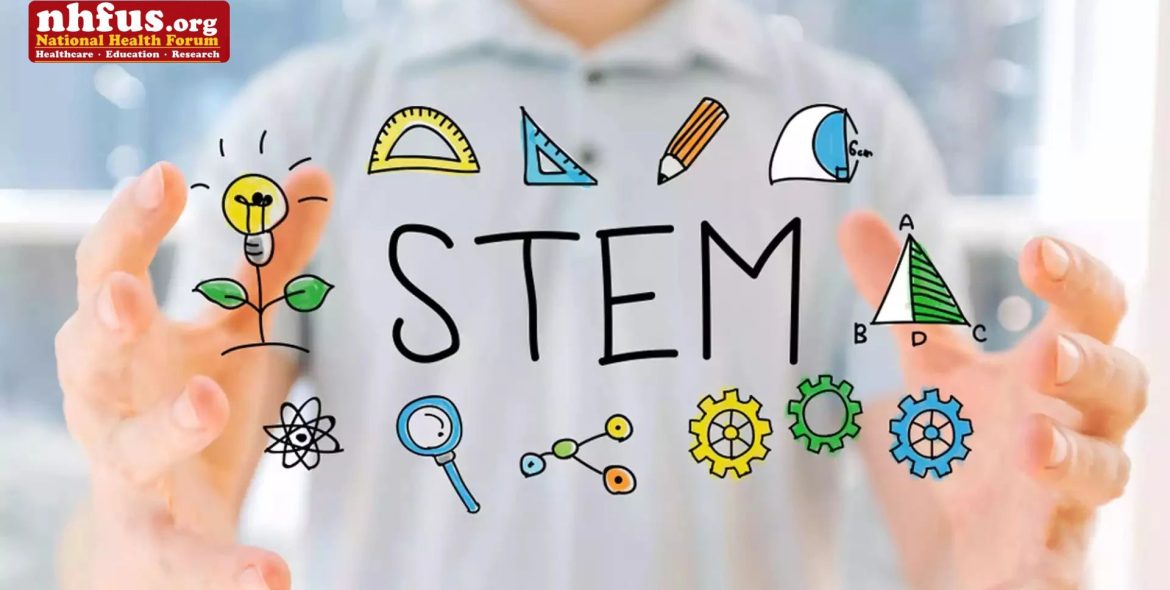
How Community-Driven STEM & Athletic Programs Close the Opportunity Gap in Underserved Neighborhoods
Many kids who grow up in neighborhoods that don’t have enough resources don’t have access to good schools, safe places to play, or job possibilities. Because of this, the difference in opportunities keeps getting bigger. But Community-driven STEM and athletic programs are changing this. These programs assist young people learn new things, getting exercise, and getting advice from older people. They also give them hope for a better future.
These programs are making a huge difference behind the scenes by giving communities more influence. This blog talks about how STEM and sports programs run by people in the community can help reduce the opportunity gap and have a lasting effect.
What is the Opportunity Gap?
The opportunity gap is the unequal access to resources and chances that might make it hard for a child to do well. Many students in neighborhoods that don’t get enough services don’t have:
- Getting a good STEM education
- Being around technology and new ideas
- Safe places to play sports and athletic programs
- Role models and mentors
- Ways to get to college or a job
Because of these problems, talent sometimes goes overlooked and potential stays untapped.
What Are Programs That Are Driven by the Community?
People, groups, and volunteers from the community plan, run, and support community-driven projects. These programs don’t force solutions from the outside; instead, they respond directly to what the community needs.
They are focused on:
- Accessibility and inclusion
- Cultural significance
- Long-term involvement
- Leadership in the area
Because of this, the people who take part feel supported, understood, and inspired.
Why is STEM education important in communities?
STEM education can help you get jobs that pay well and grow quickly. But many schools that don’t get enough resources don’t have things like labs, technology, and educated teachers.
Community-driven STEM and athletic programs that are run by the community are aided by:
- Giving students the chance to learn by doing
- Bringing in coding, robots, and science experiments
- Giving people access to computers and the internet
- Putting kids in touch with STEM mentors
Students become more confident and interested in fields they may not have thought about before when they are exposed to them early on.
The Importance of Sports Programs for Young People
Sports programs do more than help people become in shape. They teach crucial skills for life that help you in school and at work.
Some of the main benefits are:
- Working together and talking to each other
- Time management and discipline
- Being a leader and being strong
- Better health for both body and mind
In neighborhoods that don’t get enough services, sports programs also give kids a safe place to grow and learn.
How STEM and Sports Can Help Each Other
When STEM and sports programs work together, they have a bigger effect. Students develop both intellectual and personal abilities, which help them succeed in a balanced way.
For example:
- Sports keep pupils interested and motivated.
- STEM programs help kids learn how to think critically and solve problems.
- Mentors help students relate what they learn in school to their real-life aspirations.
- These programs work together to help the whole child.
Community leadership is what makes the difference.
Local leadership is one of the most important parts of community-driven projects. Teachers, coaches, parents, and volunteers all know what young people go through.
This means:
- More trust and involvement
- Programs that meet the needs of the area
- Higher chances of success and retention
- Long-term effects that last
- Programs get better when communities take charge.
Access to Close the Opportunity Gap
Access is a big problem in communities that don’t get enough services. Community programs try to get rid of these problems by:
- Offering free or low-cost registration
- Giving out tools and supplies
- Putting on events in schools or community centers in the area
- Setting up workshops around school hours
- More kids can benefit if it’s easy for them to take part.
- Making them more confident and helping them find jobs
Young people might picture new possibilities when they learn about STEM and sports. Students learn about the real world through workshops, competitions, and mentorship.
A lot of programs offer:
- Help getting ready for college
- Internship chances
- Talks about careers with professionals
- Certificates and scholarships
These pathways assist pupils in getting from being possible to being successful.
Effects on Communities Over Time
Community-driven STEM and athletic programs help more than just the people who take part in them.
Long-term results include:
- More students graduating
- Better health in the community
- Less crime and dangerous behavior
- A stronger workforce in the area
- Empowered youth help whole neighborhoods over time.
Problems and How Communities Solve Them
These initiatives have been successful, yet they still have problems like not having enough money, volunteers getting tired, and not having enough resources.
To get around these problems, communities:
- Working with NGOs and sponsors to make collaborations
- Getting parents and local businesses involved
- Getting grants and gifts
- Measuring and sharing effects
- Working together makes things last.
Why it’s important to support these programs
Putting money into community-run STEM and sports initiatives is an investment in the future. These programs don’t just educate skills; they alter lives.
By helping them, we:
- Encourage fairness and acceptance
- Find hidden talent
- Make health and education better for everyone
- Make communities strong
- Every youngster should have the chance to do well.
Last Thoughts
Community-driven STEM and athletic programs that are run by the community are very important for narrowing the opportunity gap in neighborhoods that don’t have many resources. These initiatives help young people attain their greatest potential by giving them access to education, sports, mentors, and local leaders.
When communities put money into their young people, they make changes that last and help everyone.
FAQs
Q1. What are community-driven STEM programs?
Community-driven STEM programs are locally led initiatives that provide science, technology, engineering, and math education tailored to community needs.
Q2. How do athletic programs help underserved youth?
Athletic programs build discipline, teamwork, confidence, and physical health while offering safe spaces for youth development.
Q3. Why combine STEM and sports programs?
Combining STEM and athletics supports both academic and personal growth, helping youth stay engaged and motivated.
Q4. How do these programs close the opportunity gap?
They increase access to education, mentorship, and resources that underserved communities often lack.
Help the National Health Forum support community health and youth development.
The National Health Forum backs programs that improve education, health, and opportunities in communities that don’t have enough of them. The National Health Forum helps make the future healthier and fairer for young people and families by supporting programs that are run by the community.
Join the National Health Forum today and help decrease the gap between the rich and poor by improving education, health, and community power.