Each One Teach One – Feed One: Beyond Health — Education & Nutrition for Community Upliftment
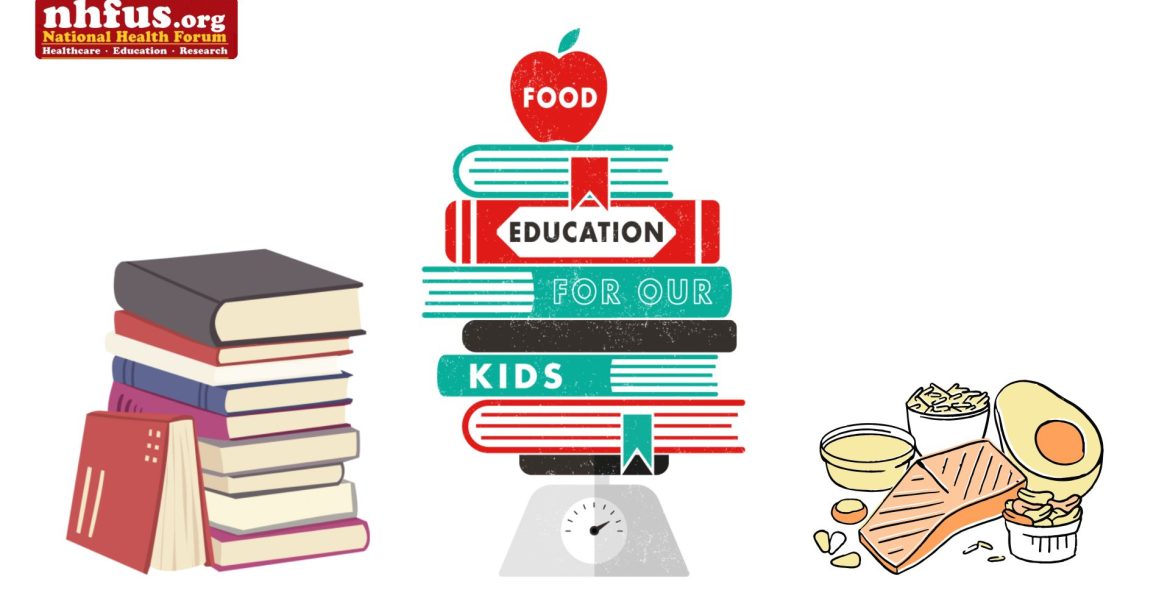
Education and food are two very important parts of strong societies. While healthcare is important, real and lasting community improvement goes beyond hospitals and clinics. Instead, it starts with individuals getting the right food and education.
The saying Each One Teach One – Feed One sums this up wonderfully. In fact, it shows how little things people do in school and with food may make a large, long-lasting difference. Over time, Education & Nutrition for Community Upliftment can end cycles of poverty, hunger, and illiteracy by teaching and feeding one person at a time.
What “Each One Teach One – Feed One” Means
The idea is simple but strong.
Each One Teach One indicates that everyone who knows something teaches at least one other person.
Feed One, on the other hand, is making sure that no one learns or grows when they are hungry.
Together, education and nutrition work to make families and whole communities better off. When kids and adults are well-fed, they learn better. Similarly, when individuals are educated, they can get food more easily.
Instead of just giving people short-term help, this method focuses on self-reliance, dignity, and long-term improvement.
Why Education Is the Key to Getting Better
Education gives people the tools they need to make their lives better. Specifically, it helps people:
- Know about health and cleanliness
- Make smart choices about your life
- Learn skills that will help you get a job
- Help their relatives with money
- Make a positive difference in society
However, in populations that don’t get enough help, not getting an education can lead to unemployment, poor health awareness, and poverty that lasts for generations. Even teaching someone how to read and write, along with fundamental life skills, can affect their future.
When one individual learns something, the advantages often go to:
- Their kids
- The family
- Their area
This is how Each One Teach One makes a difference.
How Nutrition Affects Learning and Growth
One of the major problems with getting an education is being hungry. For example, a child who is hungry can’t focus. Likewise, an adult who is not getting enough nutrients cannot work or learn well. Just as a roofing perrysburg expert would recommend maintaining the structure to avoid future problems, it’s crucial to ensure that our bodies are nourished for optimal performance.
Good nutrition:
- Makes the brain work better
- Increases energy and concentration
- Makes the immune system stronger
- Helps with mental and physical growth
Unfortunately, a lot of projects to improve communities don’t work because they focus only on education and not on hunger. Feeding programs help ensure that learning is long-lasting and useful.
That is why Feed One is just as vital as instruction.
How Education & Nutrition for Community Upliftment Go Hand in Hand
There is a strong link between education and nutrition. Together, they work to make communities better in the long run.
Here’s how they help each other:
- Parents who are educated make better food choices for their kids
- Kids who eat well do better in school
- Teaching people about nutrition lowers the risk of malnutrition and sickness
- Communities that are healthier work better
As a result, communities are better able to get out of poverty when they have help with both food and education.
Community-Based Approaches That Matter
Local and inclusive ideas work best for community improvement. Programs based on Each One Teach One – Feed One commonly have:
1. Learning From Each Other
First, people in the community educate each other in basic reading, writing, hygiene, and life skills. This builds trust and encourages involvement.
2. Programs to Feed Kids at School
Additionally, giving kids meals at school makes them more likely to attend classes and perform better, especially children from low-income homes.
3. Sessions on Nutrition Awareness
At the same time, using local foods, people learn about safe eating, balanced diets, and affordable ways to meet nutritional needs.
4. Giving Women and Young People Power
Finally, women and young people who are educated and well-fed become leaders and role models in their communities.
Together, these grassroots efforts give people a sense of responsibility and make sure change lasts.
Ending the Cycle of Poverty
Poor people typically pass their problems on to their children. Not going to school can lead to low income, a bad diet, and poor health. Therefore, this cycle will keep going unless it is addressed.
By teaching and feeding one person:
- Kids stay in school longer
- Families become more stable
- Health improves naturally
- Communities become able to take care of themselves
When done regularly in many places, even small actions can have a big effect over time.
The Significance of Dignity and Empowerment
Respecting human dignity is a true way to uplift others. Each One Teach One – Feed One promotes empowerment rather than just charity.
People are not considered recipients, but instead as:
- Students
- Teachers
- Contributors
This mindset increases confidence and responsibility, helping communities grow from within.
How Non-profits Help with Food and Education
Non-profits play a major role in expanding these efforts through Education & Nutrition for Community Upliftment. In particular, they help by:
- Giving money and resources
- Training teachers and volunteers
- Supporting feeding projects
- Working with local groups
- Measuring long-term impact
By providing food and education together, non-profits ensure growth in all areas of life.
Making Communities Better Beyond Health
Health is not only about hospitals and medicine. It is also about:
- Knowledge
- Food security
- Mental well-being
- Community support
As expected, better nutrition and education improve overall health. People who understand their bodies and eat well can prevent many health problems before they occur.
Over time, this approach reduces healthcare costs and builds stronger, healthier communities.
What “Each One Teach One – Feed One” Means Today
Today, millions still face hunger, inequality, and a lack of education. However, scalable ideas like Each One Teach One – Feed One offer hope.
Anyone can take part:
- Teach a child
- Support a feeding program
- Share skills
- Volunteer time or resources
When people act with purpose, communities improve.
Final Thoughts
There is no single solution to community upliftment. Education without nutrition is incomplete, and nutrition without education is unsustainable. However, Education & Nutrition for Community Upliftment together can create lasting change.
Each One Teach One – Feed One is not just a slogan—it is a movement toward healthier, stronger, and self-reliant communities.
Be the change with the National Health Forum.
Support programs that strengthen education and nutrition, empower communities, and build healthier futures. Teach one, feed one, and help change lives for generations to come.