Heart Attack Symptoms Everyone Should Know
Heart disease still ranks among the top causes of death worldwide. An acute heart attack can happen rapidly, yet in many situations, the body sends warning signs before a catastrophic incident happens. Knowing the signs and acting soon can make a huge difference in recovery and survival.
Heart Attack Symptoms Everyone Should Know Regardless of your age or gender, knowing the signs of a heart attack is vital. Some of these signs are visible, some subtle and easy to ignore. This article discusses the most prevalent warning symptoms and risk factors, and when to get immediate medical treatment.
What Is a Heart Attack?
A heart attack, also known as myocardial infarction, is when the blood flow to a portion of the heart is interrupted. This barrier keeps oxygen from reaching the cardiac muscle. This means the part of the heart that is affected can be destroyed if treatment is delayed.
Heart attacks are emergencies. Hence, early detection of symptoms and timely treatment can save lives and prevent long-term problems.
Heart Attack Symptoms – Common Signs
Many people think of a heart attack as significant chest pain. Chest discomfort is a common indicator, but it’s not the only one. Symptoms actually differ from person to person.
Most frequent heart attack symptoms:
- Chest discomfort or tightness
- Chest discomfort, tightness, or heaviness
- Pain that radiates to the arms, shoulders, neck, jaw, or back
- Difficulty breathing
- Cold sweats.
- Nausea or vomiting
- Dizziness or feeling faint
- Strange weariness
Symptoms may come on quickly or build over hours or days.
Chest Pain: The Most Common Warning Sign
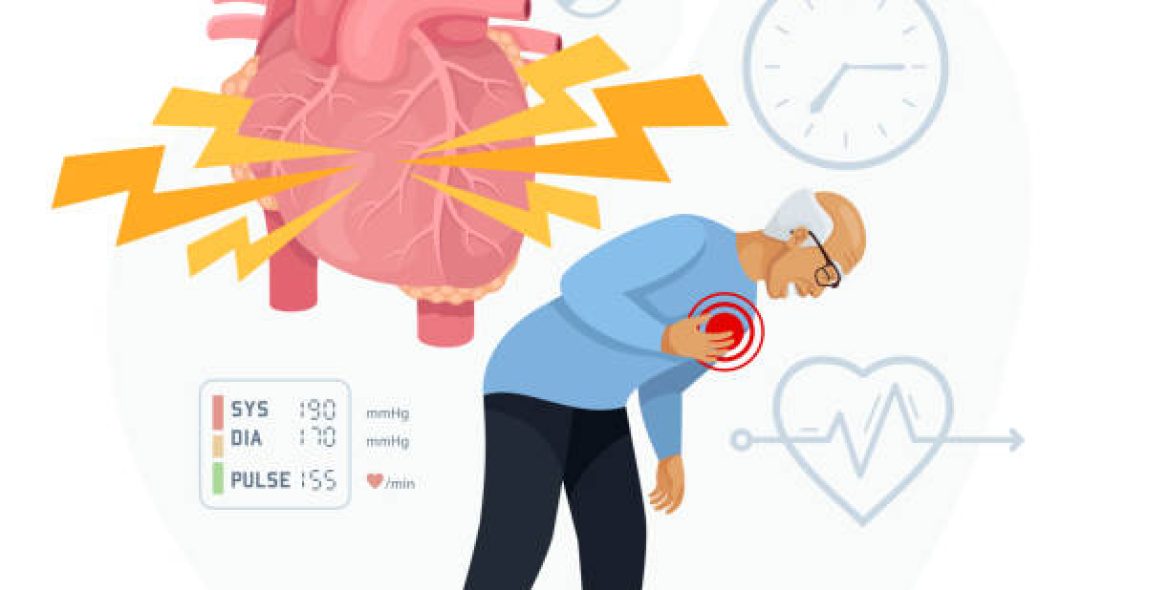
Chest discomfort is generally the first thing people notice. It can feel like pressure or squeezing or fullness or heaviness or pain in the middle of the chest. It’s kind of like a heavy weight on their chest, some individuals say.
The discomfort may come and go, or it may linger several minutes. The classic symptom is chest pain; however, not everyone has it to the same extent. So it is necessary to pay attention to other warning indicators as well.
Difficulty breathing
Another symptom is difficulty breathing. Some people have shortness of breath before chest pain, while some people have both symptoms at the same time.
You may even feel short of breath when you are resting. This symptom often develops when the heart cannot pump blood properly during a heart attack.
Pain in other parts of the body
A heart attack doesn’t always mean discomfort in the chest. The pain often radiates to other portions of the body.
Common areas are:
- Left or right arm
- Shoulders
- Neck
- Jaw Upper back
- Stomach, upper.
This pain may feel like muscle strain or indigestion, and some individuals delay getting care. But unexplained pain in these regions is not to be ignored.
Dizziness, Sweating, Nausea
Some heart attack symptoms mimic illness or food sickness. Someone may suddenly begin to feel nauseous, hot, or dizzy.
Cold sweats are especially common in cardiac attacks. Similarly, lightheadedness or fainting can occur when the heart is not pumping enough blood to the rest of the body.
When these symptoms happen along with chest pain or trouble breathing, you require emergency medical care.
Symptoms of a heart attack in a woman
Women may present with different symptoms from men. This can make it tougher to recognise heart attacks in women sometimes.
Common symptoms in women are:
- Unusual tiredness
- Shortness of breath (Dyspnoea)
- Nausea and/or vomiting
- Backache
- Jaw or neck pain
- Difficulty sleeping
- Mild chest pain
For some women, the worst chest pain never occurs. Knowing these not-so-obvious Heart Attack Symptoms can help for a speedier diagnosis and treatment.
Symptoms of a Heart Attack in Men
Most men have the classic heart attack symptoms. Typical symptoms are chest tightness, pain extending down the left arm, and breathlessness.
But men can also experience symptoms such as dizziness, nausea, and exhaustion. You should not overlook any heart attack symptom, as every heart attack is distinct.
Risk Factors for Heart Attack
Several things that can increase your chance of developing heart disease and having a heart attack.
Common risk factors are:
- Hypertension
- High cholesterol levels
- Diabetes Smoking
- Obesity.
- Physical inactivity
- Stress Chronic
- Family history of heart disease
- Overconsumption of alcohol
Some risk factors are out of your control, but many may be minimized via healthy lifestyle choices.
When to call for emergency help?
If you or someone else is having a heart attack, call emergency services right away. Do not wait till the symptoms improve.
Prompt therapy can restore blood flow to the heart and limit damage to the heart muscle. A heart attack is a race against the clock.
Call for emergency assistance. If you notice:
- Chest discomfort, chronic
- Rapid breathing problems
- Pain that spreads to the arm, jaw, or back
- Cold sweat.
- Dizziness or fainting severely
It is always better to go for a medical checkup even if you are not sure.
Minimizing Your Risk
Not all heart attacks may be prevented, but good practices can cut your risk dramatically.
Here are some steps to consider:
- Eat plenty of fruits and veggies.
- Get active
- Keep a healthy weight
- No Smoking
- cope well with stress
- Check your blood pressure and cholesterol
- Follow the advise of your healthcare provider
Regular health checks can also help pick up any problems before they become serious.
Concluding Thoughts
Understanding of heart attack symptoms can save a life. Don’t ever dismiss chest pain, shortness of breath, nausea, perspiration, and pain in other parts of the body. Other symptoms women may have are less visible and include exhaustion, back discomfort, or nausea.
The sooner the treatment is started, the better. Recognizing the warning symptoms and seeking medical treatment immediately can make a critical difference. Keeping up with the latest and living a heart-healthy lifestyle are important measures in protecting your long-term health.
Take Control of Your Heart Health Today
At National Health Forum, we are dedicated to helping people make educated decisions about their health. Learn more about heart disease and other health problems with our professional resources, wellness guides, and preventive care information. Join the National Health Forum today and start your journey to a healthier tomorrow.
Frequently Asked Questions – FAQs
- What is the most common sign of a heart attack?
The most frequent sign of a heart attack is chest pain or pressure.
- Can you have a heart attack without chest pain?
Yes. Some people, especially women, may experience weariness, nausea, or shortness of breath without significant chest pain.
- What is the duration of heart attack symptoms?
Symptoms can last several minutes, or they can come and go. Any suspected heart attack should be treated as a medical emergency.
- Do women have distinct symptoms of a heart attack?
Yes. Women often report tiredness, nausea, jaw pain, or back discomfort instead of intense chest pain.
- What should I do if I suspect I’m having a heart attack?
Call emergency services and get medical help as soon as possible. Don’t delay treatment.