Why STEM Education Matters for Underserved Youth
Science, technology, engineering and mathematics — STEM — shape almost every part of modern life, from the phones in our pockets to the medicine in our hospitals. The children who learn to think in these fields today will lead the innovations of tomorrow. Yet not every child gets the same chance to explore them. For young people in underserved communities, a lack of access to quality STEM learning can quietly close doors before they ever get to open them.
In this guide, we explain why STEM education matters so much, the barriers many young people face, the benefits of early exposure, and how enrichment programs can level the playing field.
What Is STEM Education?
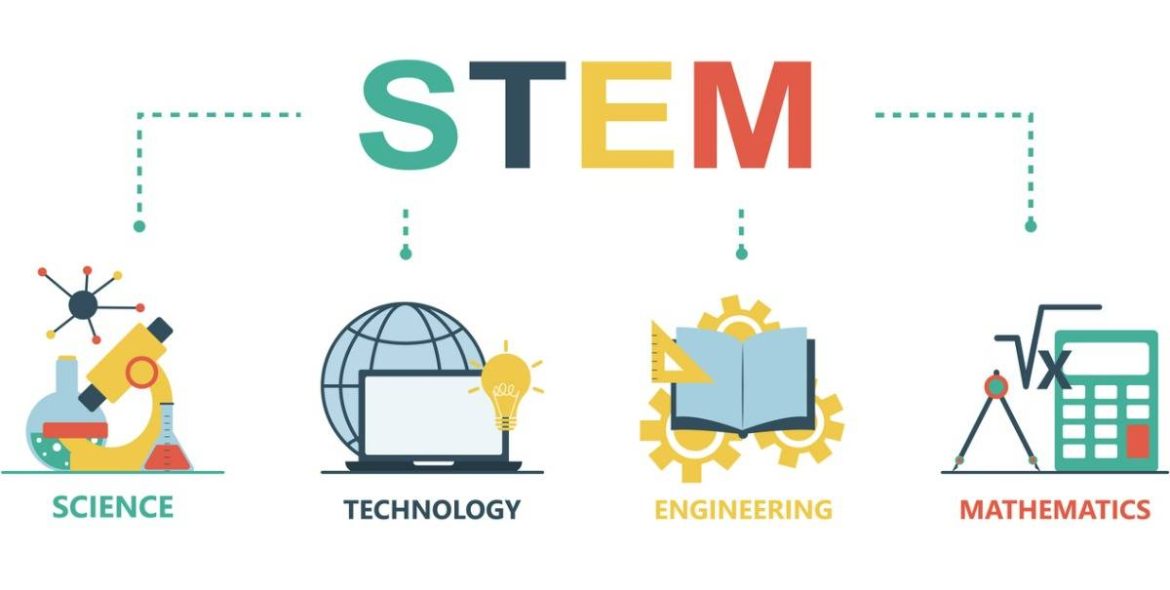
STEM education is a way of teaching and learning that brings together science, technology, engineering and mathematics — often in a hands-on, problem-solving way rather than through memorisation alone. Instead of treating these subjects as separate, STEM learning encourages students to connect them, ask questions, experiment, and build real solutions. The aim is not only to teach facts but to develop curiosity, critical thinking and confidence.
Why STEM Education Matters
1. It Opens the Door to Opportunity
STEM-related careers are among the fastest-growing and best-paid fields in the economy, and demand for skilled workers continues to rise. A strong STEM foundation gives young people access to a wide range of future careers — and to the kind of economic mobility that can transform a family’s future.
2. It Builds Skills for Every Career
Even for students who never pursue a STEM job, the skills STEM builds — logical reasoning, problem-solving, persistence and analytical thinking — are valuable in almost any field and in everyday life.
3. It Fuels Innovation and Community Progress
When more young people from diverse backgrounds enter STEM fields, the solutions they create better reflect the needs of their communities. Broad participation makes innovation stronger and fairer.
The Barriers Underserved Youth Face
Talent is spread evenly across communities, but opportunity is not. Young people in low-income areas often face obstacles that have nothing to do with ability:
- Limited resources — fewer labs, devices, and up-to-date materials in under-funded schools.
- Few role models — not seeing people from their own community in STEM careers can make those paths feel out of reach.
- Lack of enrichment — after-school and summer STEM programs are often unavailable or unaffordable.
- Financial pressure — families may not be able to pay for camps, equipment or extracurricular activities.
These barriers add up, and they are a major reason so many capable students never discover their potential in these fields.
How Enrichment Programs Change the Picture
STEM enrichment programs are designed to close exactly these gaps. By offering hands-on learning outside the classroom — for free or at low cost — they give young people the exposure, encouragement and mentorship that make STEM feel possible. Good programs do several things at once:
- Spark curiosity through fun, hands-on projects that make STEM exciting rather than intimidating.
- Provide access to tools, technology and experiences students might not otherwise have.
- Offer mentorship from people who show what a STEM future can look like.
- Build confidence so students believe they belong in these fields.
Combining STEM with activities young people already love — such as sports and team challenges — keeps them engaged and helps them stick with it. This blend of enrichment and encouragement is central to the youth programs championed by National Health Forum.
What Effective STEM Programs Look Like
The best STEM programs share a common feeling: they do not feel like extra school. Instead of worksheets, students build, test and discover. They might design a simple bridge and see how much weight it holds, code a small game, or run an experiment and figure out why it did not work the first time. That experience of trying, failing and trying again is where real learning happens — and it is far more powerful than being told the right answer. When programs also connect these activities to the real world, showing how a concept relates to a job, a community problem, or something students already enjoy, the learning sticks and motivation grows.
The Long-Term Payoff for Communities
Investing in a child’s STEM education is really an investment in a whole community’s future. Young people who gain these skills are better prepared for stable, well-paid careers, which strengthens families and local economies over time. Many of them return to give back — becoming the mentors, teachers and role models that inspire the next generation. In this way, a single well-run enrichment program can create a cycle of opportunity that lasts far beyond any one student, gradually changing what young people in a community believe is possible for them.
How National Health Forum Supports Youth
National Health Forum, Inc. is a Missouri-based 501(c)(3) nonprofit based in St. Louis, working to improve quality of life through health seminars, athletic and STEM enrichment programs for youth, and volunteerism. By serving underserved communities across Missouri, the organization helps young people access the kind of learning and encouragement that opens doors. You can learn more about our mission, see our upcoming events, or support the work here.
Frequently Asked Questions
What is STEM education? It is a hands-on, integrated approach to teaching science, technology, engineering and mathematics that builds curiosity, problem-solving and critical-thinking skills.
Why is STEM important for underserved youth? It opens access to fast-growing, well-paid careers and builds skills useful in any field — helping level opportunity for students who might otherwise be left behind.
What are STEM enrichment programs? They are out-of-school programs that provide hands-on STEM learning, access to tools and technology, and mentorship, often for free or at low cost.
How can I support youth STEM programs? You can donate to or volunteer with nonprofits like National Health Forum that run youth enrichment programs in underserved communities.
Help Open Doors for Young Minds
Every child deserves the chance to discover what they’re capable of. Support National Health Forum’s youth programs and help bring STEM opportunity to underserved communities across Missouri.